
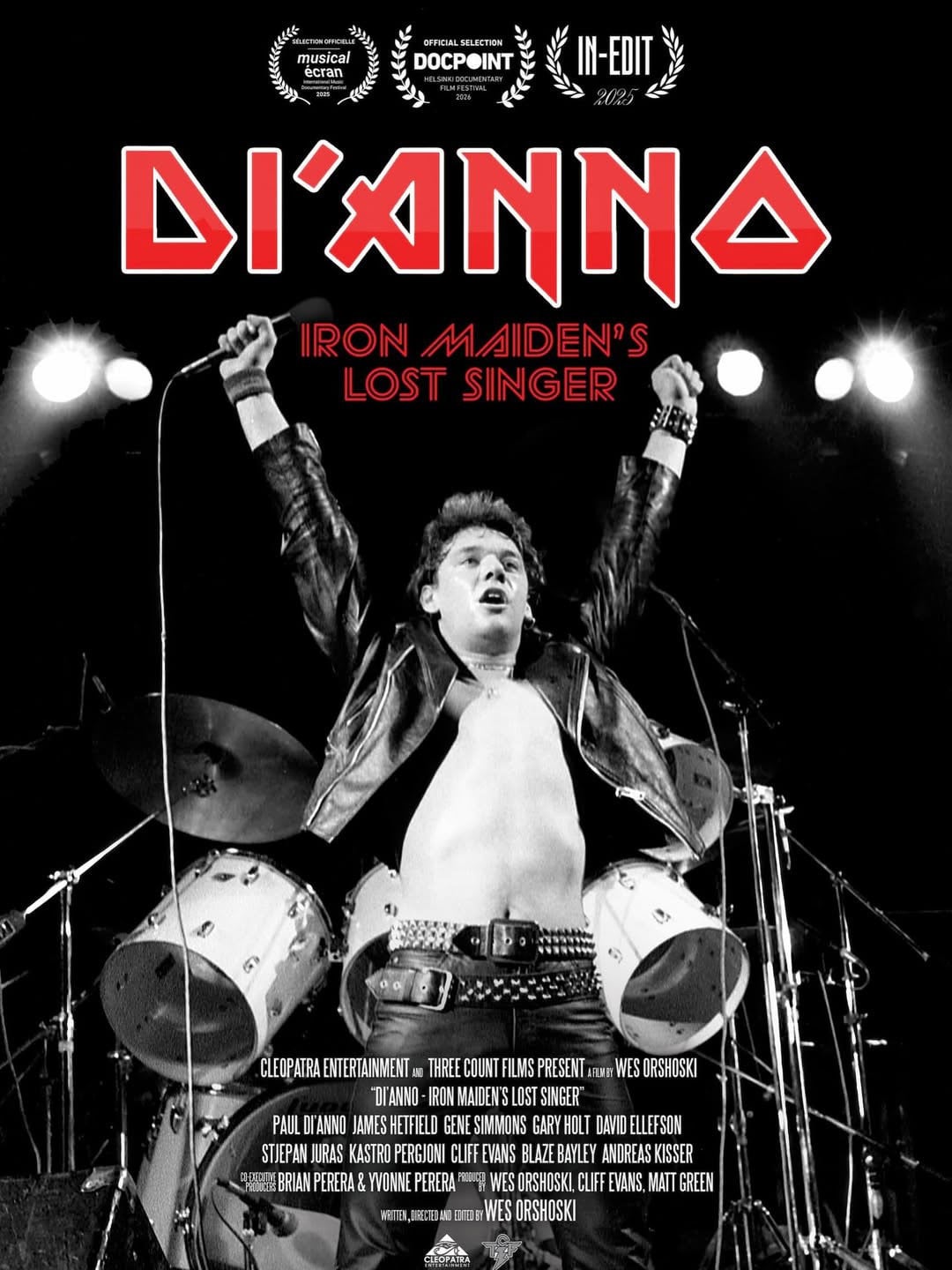
Let’s be real: Paul Di’Anno is the voice of early Maiden. Iron Maiden and Killers didn’t just set the foundation—they defined the attitude that made the band a global force. His place in metal history was carved in stone decades ago.
The Lost Iron Maiden Singer doesn’t try to sugarcoat that legacy. It’s a raw, unfiltered look at the man behind the music, and honestly? It’s a tough watch.
The Lost Iron Maiden Singer doesn’t try to rewrite that history. It’s not interested in the sanitized “rock star” mythology. Instead, it does something much more difficult: it stares directly at the man behind the legend, and it doesn’t blink.
Honestly, this film is a gut-punch. If you grew up with these albums, if you idolized that swagger, watching Paul now is a sobering experience. It’s hard to reconcile the guy who used to command a stage with that electric, wild energy with the man we see grappling with such severe health issues today. There were moments where I had to pause, step away, and just take a breath. It’s not a “music documentary” in the standard sense; it’s a deeply human, often painful confrontation with time, health, and reality. If you’ve followed his trajectory from those early, hungry days to where he is now, be ready. It’s heavy.
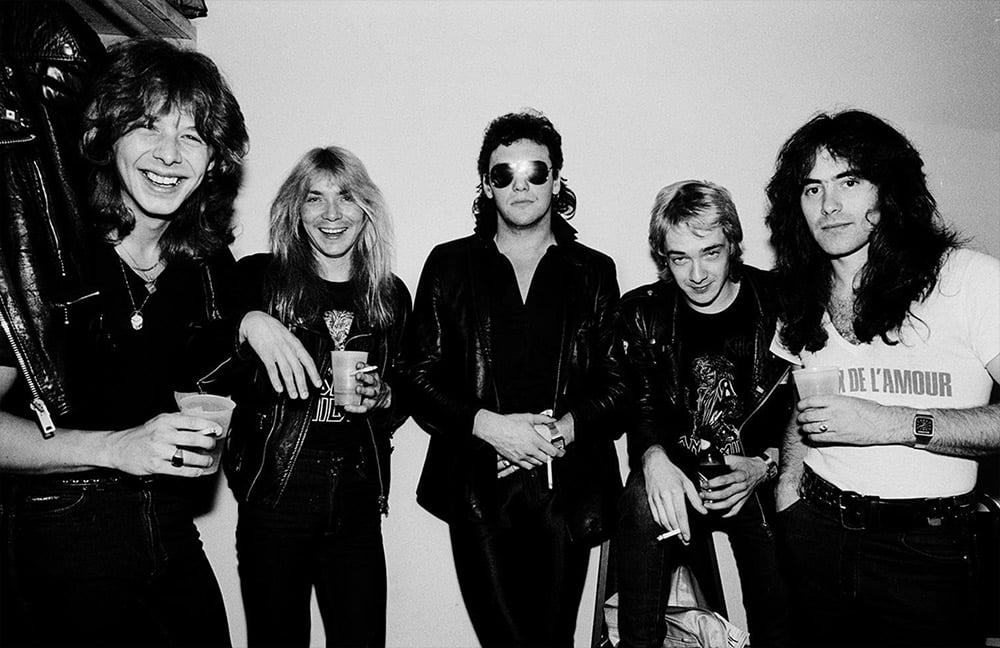
But here is where the film wins: it refuses to let Paul be a victim. They didn’t cut the film to make you pity him. They kept the grit. The sharp tongue, the East London cheekiness, the stubborn refusal to play the game—it’s all there, perfectly intact. He’s the same Paul we’ve always known. Even when he’s struggling, he’s still the guy who doesn’t give a damn what people think. That stubbornness is his greatest flaw and his greatest weapon, and it’s captured brilliantly here.
We also need to talk about the context. The documentary reminds us that Maiden wasn’t always a machine of private jets, arena tours, and massive stage productions. There was a time when they were just a scrappy, punk-infused outfit fighting for oxygen. That raw, dangerous edge? That was Paul. Without his vocal delivery, those songs don’t have the same bite, and the band’s identity would have been something entirely different. It’s refreshing to see a documentary that actually acknowledges that vital contribution rather than treating the Di’Anno era as a mere prelude to the “real” Maiden. For some us, the first two albums are indeed… the REAL Maiden! I mean, check out what our store’s name is hey?
Don’t go into this expecting a career retrospective or a deep dive into the band’s history. This isn’t about the band; it’s about the man. It’s a document of a life lived at full throttle, dealing with the inevitable crash, and the quiet, stubborn resilience required to keep going when the lights fade. It’s messy, it’s unfiltered, and it doesn’t offer easy answers.
When the credits finally rolled, I didn’t feel like I’d just watched a movie. I felt like I’d spent two hours with an old friend who had seen too much. My respect for Paul has only grown. He gave heavy metal a shot of adrenaline when it needed it most, and he never compromised his character for a paycheck or a comeback.
Every real Maiden fan needs to watch this. Not because you’re looking for a trip down memory lane or a collection of “best of” hits, but out of pure, simple respect for the guy who helped start the fire.