

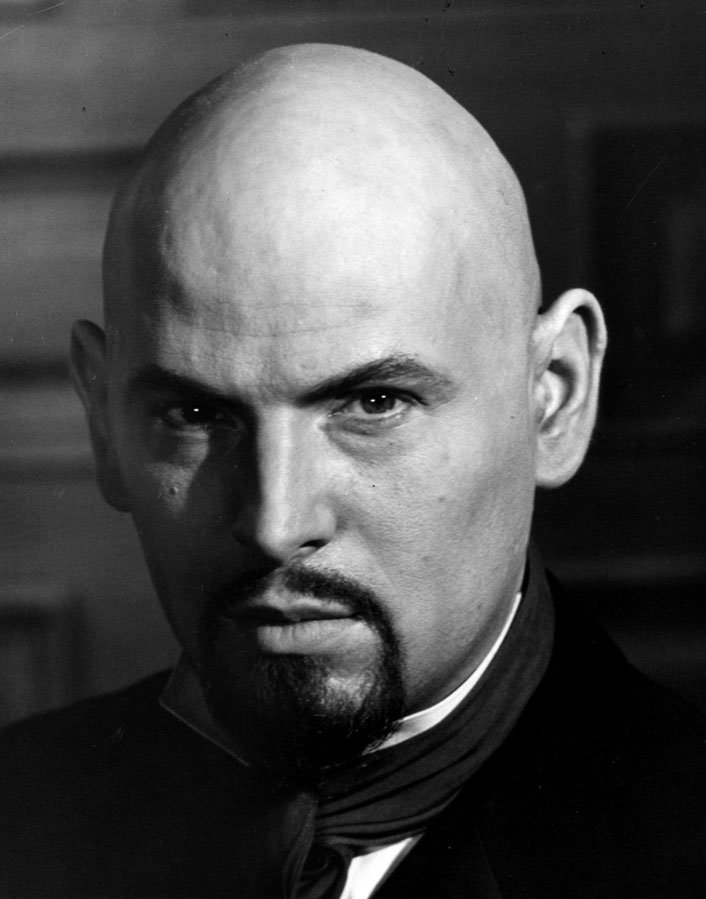
Description
A Review of Anton LaVey’s The Satanic Rituals
Following the success of The Satanic Bible, Anton Szandor LaVey released The Satanic Rituals in 1972 as a companion volume designed to expand the ceremonial dimension of modern Satanism. If The Satanic Bible outlined the philosophy, then The Satanic Rituals provided the practice—a collection of carefully constructed rites that embody the theatrical, symbolic, and liberating aspects of LaVey’s vision.
Expanding the Satanic Canon
Where The Satanic Bible was largely a manifesto of ideas, The Satanic Rituals is a book of action. It presents complete ceremonies, ranging from private rites of indulgence to elaborate group rituals steeped in symbolism. LaVey places great emphasis on drama, atmosphere, and pageantry, elevating ritual beyond superstition into a psychological tool. These rituals are not about appealing to supernatural forces, but about empowering participants through focus, catharsis, and shared experience.
Ritual as Psychodrama
One of the most powerful elements of The Satanic Rituals is the way LaVey frames ceremony as psychodrama. He shows how sound, imagery, and setting can influence mood, magnify intent, and unlock primal instincts. Chanting, symbols, and ceremonial roles serve to channel emotion into a concentrated act of will. Instead of rejecting ritual as meaningless, LaVey transforms it into something deeply human—a creative performance that strengthens the mind and frees the spirit.
The Global and Historical Influences
LaVey draws inspiration from a wide range of sources: ancient mystery religions, medieval witchcraft legends, ceremonial magic, and even modern political theater. The rituals are eclectic yet purposeful, weaving together history and modernity into ceremonies that feel both timeless and relevant. By incorporating elements from multiple traditions, LaVey situates Satanism not as an isolated curiosity but as part of a broader heritage of rebellion, drama, and self-empowerment.
A Living Theater of the Self
What makes The Satanic Rituals so compelling is its unapologetic embrace of theater. LaVey understood that humans thrive on symbol and spectacle, and he harnessed this truth to create ceremonies that are at once solemn and exhilarating. The book encourages readers to set aside inhibition, to participate fully, and to experience the transformative effect of stepping into ritual space. In this sense, ritual becomes not only a release but also a celebration of individuality and human nature.
Cultural Significance
The Satanic Rituals cemented the Church of Satan’s reputation as more than a philosophical movement—it established a ceremonial foundation that gave members a sense of shared identity and tradition. While outsiders often misunderstood these rites as sinister, those who approached them with open minds discovered they were acts of empowerment, celebration, and personal liberation.
Decades later, the book continues to inspire readers who are drawn not only to its bold defiance but also to its practical demonstration of how ritual can shape and elevate the human experience.
Final Thoughts
Anton LaVey’s The Satanic Rituals is a book of liberation through performance. It demonstrates that ritual, far from being outdated or irrelevant, can be a powerful tool for modern individuals seeking catharsis, empowerment, and self-expression. Together with The Satanic Bible, it forms a complete system: philosophy and practice, thought and action.
For anyone interested in alternative spirituality, the psychology of ritual, or the history of modern Satanism, The Satanic Rituals is an essential read. It is imaginative, bold, and unapologetically theatrical—a testament to LaVey’s ability to transform philosophy into living experience.
BY RUE MORGUE RECORDS
Views: 146