“Not one second of orchestra.” That’s how Trent Reznor described the approach to Tron: Ares, and that brutal clarity defines the entire soundtrack. This isn’t Daft Punk’s sleek, neon-lit legacy score. This is the cold steel pulse of the grid glitching into apocalypse — a future dragged through dirt and dread.
Opening with “Init” and “Forked Reality,” Reznor and Ross set the stage with decaying pulses, scrambled digital drones, and cybernetic rhythms that feel like corrupted hard drives trying to breathe. By the time we reach track 3 — the album’s standout single “As Alive as You Need Me to Be” — the tone shifts from moody ambient to full-blown industrial anthem. Reznor’s voice is tortured, defiant, buried in synth-bass and menacing distortion, recalling The Fragile and Year Zero in equal parts.
Where Daft Punk’s Legacy score was majestic and sweeping, Tron: Ares is personal, anxious, and rusted shut. Tracks like “In the Image Of” and “Still Remains” are unsettling — ambient, minimal, and fragile, with broken melodies buried beneath layers of metallic haze. “100% Expendable” and “Daemonize” erupt with militaristic programming and static-laced chaos, like HAL 9000 rebooting with vengeance.
There’s zero attempt to “score” the digital world with Hollywood bombast. Instead, NIN’s score evokes digital anxiety, human corruption, and a world on the verge of implosion. Even slower pieces like “Empathetic Response” and “A Question of Trust” bleed unease — synthetic lullabies laced with poison.

Reznor and Ross have always been architects of dread, but here they stretch that identity to cinematic lengths. The entire album was reportedly made without orchestral instrumentation, and it shows — every sound feels hand-forged from analog synths, noise layers, and static-drenched field recordings.
It’s anti-symphonic. Where Daft Punk gave us gleaming arpeggios and string crescendos, NIN gives us jagged textures, machine howls, and rhythmic decay. It’s not just music — it’s code collapsing into emotion.
Tron: Ares is not a soundtrack for everyone. It’s abrasive, shadowy, and deliberately uncinematic in the traditional sense. But as a Nine Inch Nails record, it’s a triumphant return — one that refuses nostalgia in favor of reinvention. Reznor and Ross weaponize discomfort to tell a story of digital fragmentation and soul erosion.
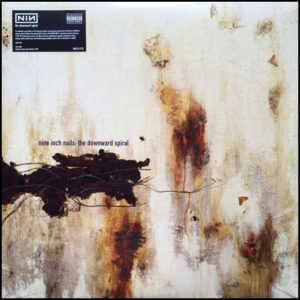
If The Downward Spiral was a descent into human despair, Tron: Ares is that same journey — in data form, spread across a dystopian circuit board.
BY RUE MORGUE RECORDS