SPIN Magazine 08/1992

$20.00

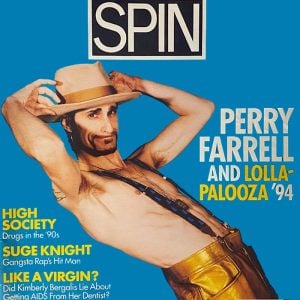
Cover: Perry Farrell“Perry Farrell And Lollapalooza ’92” (with Exclusive Interview and Concert Guide) 

Issue basics: 96 pages 

What This Issue Is “About”

August ’92 is SPIN treating Lollapalooza as the cultural main event: not just a tour, but a moving snapshot of the alternative nation (rock, punk, metal, hip-hop, weirdos, outsiders) becoming a real commercial force. Putting Perry Farrell on the cover is SPIN basically saying: this guy is one of the architects of the moment.

The Big Cover Package

Perry Farrell + Lollapalooza ’92 (exclusive interview + concert guide)

This is the centerpiece: part personality profile, part scene report, part “field manual” for the tour summer. It’s designed to be read like you’re either going, or you wish you were.

Other Major Hooks Teased On The Cover

  • Queen — “Freddie’s Dead: Our Tribute” 

  • L.A. Riots — “You Say You Want A Revolution?” 

  • Ugly Kid Joe — “Everything About Them” 

  • “New Records” mentions: Midnight Oil (Live), Helmet, Stray Cats

  • More names called out: The Cure (Live), Lemonheads, TLC, Bad Religion, del Amitri, Twin Peaks Movie 

Why Collectors Care

  • It’s a prime Lollapalooza-era artifact (when the “alternative” umbrella still felt dangerous and wide).

  • The cover is a perfect time-stamp: Farrell as ringmaster, plus SPIN juggling politics (L.A. unrest), canon (Queen), and scene churn (new records + live reports) in one loud package.

1 in stock

Purchase & earn 20 points!
 

Description

SPIN in the 90s felt like a magazine with its ear pressed to the floorboards. While a lot of mainstream music press was still clinging to the old rock hierarchy, SPIN leaned hard into what was actually changing the culture in real time. As the decade kicked off, it treated grunge and the wider “alternative” explosion as more than a sound. It was a generational handover. Bands that used to live in the margins suddenly became the center, and SPIN was one of the places documenting that shift with real urgency.

What made SPIN especially important in that era was how wide its idea of “alternative” could be. It didn’t just stop at guitars. The magazine gave hip-hop serious space and treated it as culture, not a novelty, at a time when plenty of legacy outlets still weren’t sure what to do with it. That mix of scenes and voices is a big part of why 90s SPIN reads like a time capsule of where the future was heading.

By the mid-90s, SPIN had enough authority to publish the Spin Alternative Record Guide (1995), a critic-driven map of the alt universe that became a reference point for fans and aspiring writers alike. It’s one of those artifacts that captures the era’s confidence: the sense that a new canon was being built, and SPIN was helping write it.
You may also like…