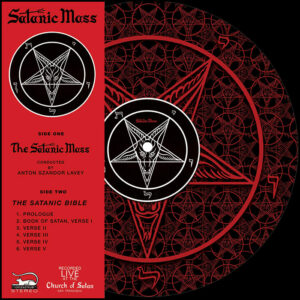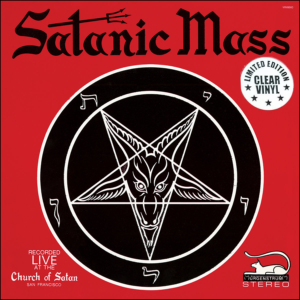




Description
A Review of Anton LaVey’s The Satanic Bible
When Anton Szandor LaVey published The Satanic Bible in 1969, he ignited a cultural spark that still burns decades later. More than just a book, it was a bold declaration of independence from conventional morality and religious authority. Despite its infamous title, the work is not about devil worship but about reclaiming human instincts, celebrating individuality, and embracing life without apology.
A Structured Philosophy of Rebellion
LaVey divides the book into four distinct sections, each carrying its own symbolic and philosophical weight. The Book of Satan tears away the veil of traditional religion with unapologetic critique, demanding that readers rethink morality and question authority. The Book of Lucifer forms the heart of the text, where LaVey lays out a philosophy rooted in logic, indulgence, and self-interest. It is a reminder that strength, passion, and personal responsibility are the qualities that drive progress.
The Book of Belial dives into ritual, redefining magic as a form of psychological theater rather than supernatural practice. Here, LaVey demonstrates how symbolic action can serve as a release for emotion and a tool for self-empowerment. The Book of Leviathan closes with invocations and ceremonies, written in dramatic, poetic language that captures the theatrical essence of Satanism. Together, these sections form a comprehensive system that is both empowering and accessible.
Philosophy for the Individual
At its core, The Satanic Bible is a philosophy of freedom. It champions the right of every individual to live without compromise, free from guilt imposed by external doctrines. LaVey’s voice is unapologetically direct, stripping away pretense and replacing it with clarity. His Satan is not a literal figure but a symbol of defiance, pride, and liberation from imposed chains. For readers disillusioned by hypocrisy in organized religion, this perspective is both refreshing and exhilarating.
Timeless Appeal
What makes The Satanic Bible so enduring is its accessibility. LaVey does not bury his ideas in academic jargon but speaks in plain, powerful prose. His arguments are sharp, witty, and full of conviction, making the text approachable for newcomers while still resonating with those familiar with philosophy or alternative spiritualities.
The rituals, though theatrical, add texture and depth, giving readers a sense of drama that makes the philosophy tangible. They serve as a reminder that ceremony, even without supernatural belief, can be a potent tool for focusing willpower and transforming emotion.
A Cultural Landmark
Few books have left such a profound mark on both the occult and mainstream culture. The Satanic Bible crystallized modern Satanism, inspiring the founding of the Church of Satan and shaping the identity of a movement. It emerged at a time when counterculture was challenging every social norm, and it continues to resonate with readers seeking authenticity and self-empowerment.
LaVey’s work remains one of the most widely read and discussed occult books in history, standing as a testament to the power of ideas that challenge convention.
Final Thoughts
Reading The Satanic Bible is not just an intellectual experience but an emotional one. It inspires confidence, sharpens skepticism, and urges readers to embrace life fully. Whether approached as philosophy, cultural artifact, or personal manifesto, it stands out as a book that refuses to be ignored.
For anyone interested in individuality, self-liberation, or the history of countercultural thought, Anton LaVey’s The Satanic Bible is a must-read. It is bold, unflinching, and unapologetically alive—a true classic of modern alternative thought.