SPIN Magazine 06/1993

$20.00

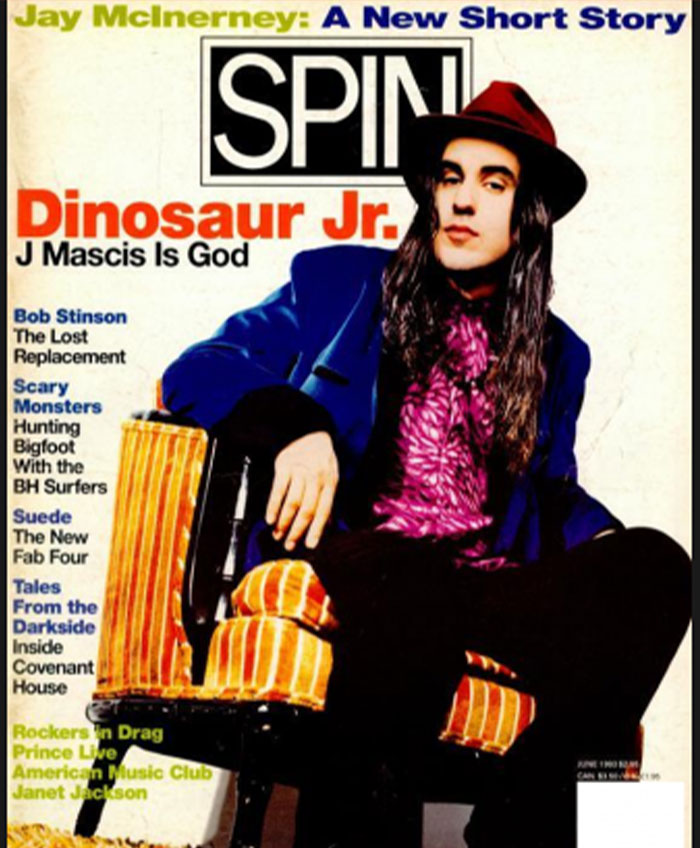
Cover: Dinosaur Jr.’s J Mascis with the infamous cover blurt “J Mascis Is God.” 

What This Issue Is “About”

June ’93 is SPIN deep in the post-grunge shockwave: guitar culture is back, British hype is colliding with American alt-rock, and the magazine is doing what it did best in this era, treating scenes like living ecosystems (myth, commerce, obsession, and backlash all at once).

The Big, Defining Features (Highlights)

  • J Mascis / Dinosaur Jr. cover story (“J Mascis Is God”)

    A classic “guitar hero, but make it indie” moment that became a lasting piece of Mascis lore. 

  • Butthole Surfers — “Hunting Bigfoot”

    This is one of the most-remembered oddball hooks tied to the issue (people still bring it up when sharing the cover). 

  • Suede in the U.S.A. (report/interview)

    Simon Reynolds covering Suede’s early stateside push, capturing that moment when UK press heat met American skepticism/curiosity. 

  • Bob Stinson (The Replacements) + other major pieces called out in listings

    The issue is also commonly described as featuring Bob Stinson, “the new Fab 4,” and “Inside the Covenant”(tales-from-the-___ style feature). 

  • Fiction: Jay McInerney short story “The Queen and I.” 

Why Collectors Care

  • It’s a peak 1993 SPIN cover: canon-making, provocative, and scene-defining in one loud sentence. 

  • The supporting mix (Mascis + Suede + Replacements orbit + Butthole Surfers weird-America) is pure mid-’93 alternative sprawl.

1 in stock

Purchase & earn 20 points!
 

Description

SPIN in the 90s felt like a magazine with its ear pressed to the floorboards. While a lot of mainstream music press was still clinging to the old rock hierarchy, SPIN leaned hard into what was actually changing the culture in real time. As the decade kicked off, it treated grunge and the wider “alternative” explosion as more than a sound. It was a generational handover. Bands that used to live in the margins suddenly became the center, and SPIN was one of the places documenting that shift with real urgency.

What made SPIN especially important in that era was how wide its idea of “alternative” could be. It didn’t just stop at guitars. The magazine gave hip-hop serious space and treated it as culture, not a novelty, at a time when plenty of legacy outlets still weren’t sure what to do with it. That mix of scenes and voices is a big part of why 90s SPIN reads like a time capsule of where the future was heading.

By the mid-90s, SPIN had enough authority to publish the Spin Alternative Record Guide (1995), a critic-driven map of the alt universe that became a reference point for fans and aspiring writers alike. It’s one of those artifacts that captures the era’s confidence: the sense that a new canon was being built, and SPIN was helping write it.

You may also like…