
Born Again, released in 1983, is one of the most bizarre and polarizing albums in Black Sabbath’s storied history. Marking the only studio appearance of former Deep Purple frontman Ian Gillan, the record stands as a sonic and stylistic outlier within the band’s catalogue. It emerged during a period of transition and uncertainty, following Ronnie James Dio’s departure and amidst internal chaos. With its raw production, nightmarish cover art, and a wild fusion of Gillan’s bluesy vocals and Sabbath’s crushing heaviness, Born Again became a strange, often misunderstood anomaly that has since grown into a cult classic.
The recording sessions for Born Again were as chaotic as the music itself. Taking place at The Manor Studio in Oxfordshire, the band indulged in heavy drinking, practical jokes, and spontaneous creativity, resulting in an album that feels both unhinged and unapologetically raw. Tracks like “Trashed,” “Disturbing the Priest,” and “Zero the Hero” showcase a band willing to veer off the expected path, blending Sabbath’s signature doom-laden riffs with Gillan’s theatrical vocal flair. Though the album was marred by a notoriously muddy mix and an album cover that bewildered fans and critics alike, its unfiltered intensity and experimental edge carved out a unique space in Sabbath’s legacy.

Ian Gillan
Ian Gillan rose to international fame as the dynamic and charismatic lead vocalist for legendary British rock band Deep Purple. Born in Hounslow, London, in 1945, Gillan began his music career in the mid-1960s, notably joining Episode Six before moving to Deep Purple in 1969. With Purple, he recorded iconic albums such as Deep Purple in Rock, Fireball, and Machine Head, famously performing vocals on classics like “Smoke on the Water,” “Highway Star,” and “Child in Time.” After leaving Deep Purple in 1973, Gillan briefly pursued various projects, including collaborations and solo bands like the Ian Gillan Band and later Gillan, achieving modest commercial success. By the early 1980s, despite a strong fan following, Gillan disbanded his own group amid fatigue and financial pressures, leaving him available and open to new musical explorations just before his unexpected move to Black Sabbath in 1983.
 When Ian Gillan, the legendary voice behind Deep Purple, unexpectedly found himself fronting Black Sabbath, it quickly became one of rock music’s most fascinating twists. The early ’80s were a stormy time for Black Sabbath. After Ozzy Osbourne’s acrimonious exit, Sabbath had reinvented themselves with the powerhouse vocalist Ronnie James Dio, enjoying critical acclaim with albums like Heaven and Hell and Mob Rules. But by late 1982, internal tensions led Dio to leave, taking drummer Vinny Appice with him, and suddenly guitarist Tony Iommi and bassist Geezer Butler were left without a vocalist once again.
When Ronnie James Dio departed Black Sabbath in late 1982, the band faced a major crisis. Dio had revitalized Sabbath after original frontman Ozzy Osbourne’s departure, producing acclaimed albums such as Heaven and Hell and Mob Rules. However, internal tensions, primarily creative disagreements between Dio and guitarist Tony Iommi, caused Dio to leave, taking drummer Vinny Appice with him. By the end of 1982, Black Sabbath consisted solely of founding guitarist Tony Iommi and bassist Geezer Butler, leaving the band’s future uncertain and necessitating an urgent search for a new lead singer.
Meanwhile, Ian Gillan was navigating his own crossroads. After Deep Purple split in 1976, Gillan had pushed forward with solo ventures, forming the Ian Gillan Band and later simply “Gillan,” both of which earned moderate success. However, by 1982, financial difficulties and exhaustion from relentless touring forced Gillan to disband his own group, leaving him at loose ends, uncertain of his next move.
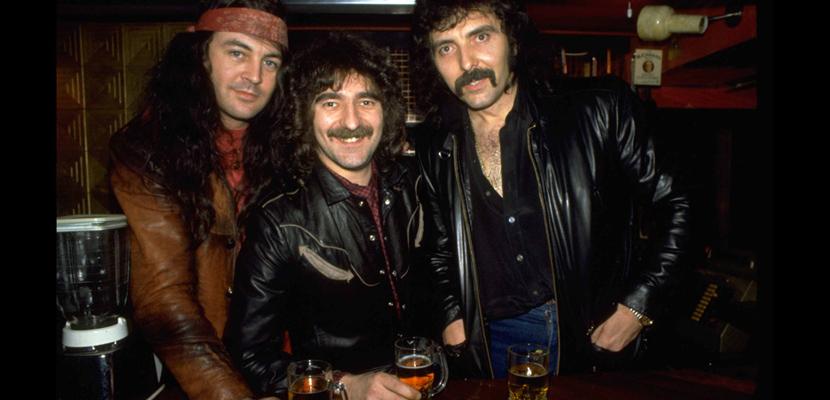
It was in this chaotic context that one of rock’s most unexpected pairings occurred. According to both Gillan and Tony Iommi, their collaboration began purely by accident, a chance social meeting in early 1983 at a local pub. What began as a casual drinking session ended with Gillan agreeing to join Black Sabbath, a decision he humorously claims he didn’t fully recall making until waking up the next morning. Gillan famously joked years later, “Oh my God, I’ve joined Black Sabbath!” capturing perfectly the casual, almost accidental nature of the partnership.
Fans and critics alike were stunned by the news. Gillan’s bluesy, soaring vocal style seemed worlds apart from the doom-laden atmosphere Sabbath was known for. Many wondered aloud if this alliance could possibly work, while others anticipated it with cautious curiosity.
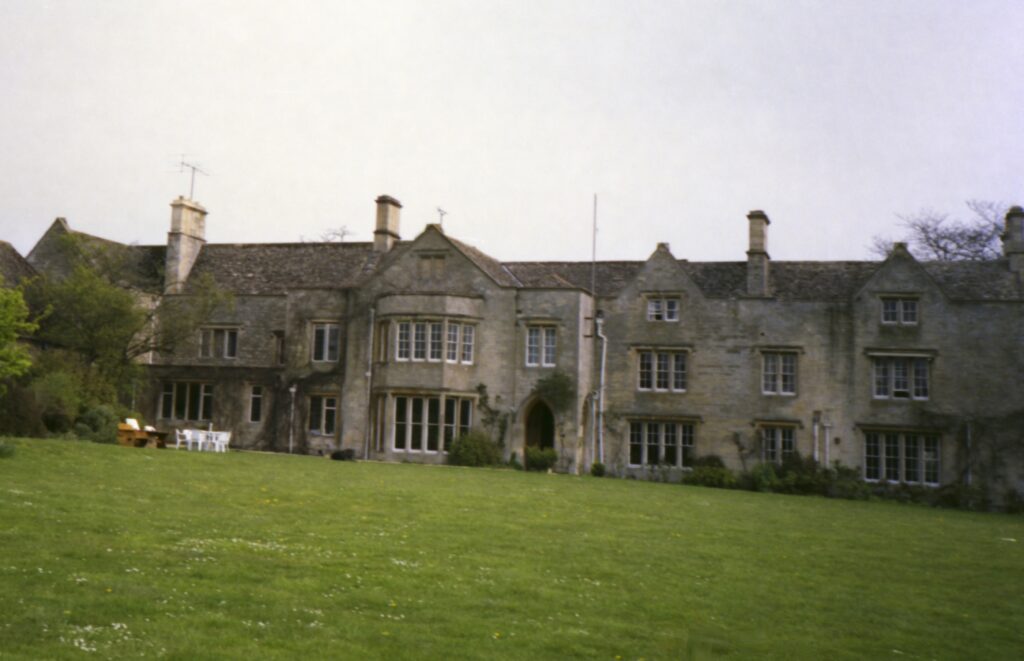
Their collaboration quickly produced the notorious 1983 album, Born Again, recorded amidst a famously chaotic atmosphere at Richard Branson’s Manor Studios in Oxfordshire, England. These sessions were legendary for heavy drinking, practical jokes, and an overall sense of reckless abandon, far from a disciplined recording process. Despite the chaos, the album’s raw, visceral sound reflected the unexpected chemistry. Tracks such as “Trashed,” “Disturbing the Priest,” and the darkly atmospheric title track showcased a surprising synergy, with Gillan’s unmistakable voice bringing new dimensions to Sabbath’s sound.
However, as exciting as their studio collaboration was, touring presented considerable difficulties. Gillan soon found himself uncomfortable performing Sabbath classics originally sung by Osbourne and Dio. His style and stage persona felt mismatched, and logistical disasters further compounded tensions. Most famously, the band’s oversized Stonehenge stage prop, famously immortalized in the movie This Is Spinal Tap, symbolized the miscommunications and chaos surrounding the tour. Gillan openly admitted to relying on lyric sheets taped to the stage floor, humorously confessing that he simply couldn’t memorize many of the band’s older songs.
Despite the creative sparks, it was clear to Gillan that his Sabbath tenure was temporary. When Deep Purple announced their classic Mk. II reunion in 1984, Gillan amicably departed Sabbath, returning to the band that had initially made him famous. Black Sabbath, once again, faced another lineup change.
Though brief, Gillan’s time with Black Sabbath remains a beloved curiosity in rock history. Initially dismissed by some as a strange misstep, the Born Again era has aged into a cult favorite, appreciated by fans precisely because of its peculiar, adventurous spirit. Reflecting years later, Gillan affectionately called his Sabbath stint a “fun mistake,” acknowledging both the creative chaos and the unexpected joy of that wild collaboration.
Ultimately, Gillan’s entry into Black Sabbath was a twist of fate rather than careful strategy. It happened spontaneously, driven by personal chemistry, curiosity, and rock-and-roll serendipity. Decades later, the story endures as a compelling reminder of the unpredictability and magic inherent in rock music, proving that sometimes the most unlikely alliances produce the most memorable results.

The Album Review
Released in 1983, Black Sabbath’s album Born Again remains one of the most controversial and divisive records in their extensive catalog. Marking Ian Gillan’s only studio appearance as the band’s vocalist, this release immediately stands apart, reflecting an unusual yet fascinating chapter in Sabbath history. This era represented a bold creative experiment that challenged many of the band’s longtime fans, and decades later, Born Again continues to provoke intense debate about its merits.
Opening with the blistering track “Trashed,” the album immediately establishes its raw, aggressive tone. Gillan’s signature vocal style, characterized by powerful screams and bluesy swagger, dramatically reshapes Sabbath’s sound. His voice gives the band a fresh urgency, a departure from Ozzy Osbourne’s sinister atmosphere and Ronnie James Dio’s epic grandeur. On this opener, Gillan tells a wild tale of reckless intoxication and automotive chaos, paired perfectly with Tony Iommi’s menacing riffs, Geezer Butler’s pounding bass, and Bill Ward’s thunderous return to drums.
Following “Trashed,” the album shifts to “Stonehenge,” an atmospheric instrumental that serves as a dark, ambient introduction to the haunting track “Disturbing the Priest.” This track, one of the record’s strongest and strangest, highlights the unsettling and experimental tendencies of the Gillan-fronted Sabbath. Gillan’s vocal theatrics here are particularly intense, trading off between eerie whispers and shrill, maniacal screams. Lyrically, the song explores themes of religious unease and paranoia, complemented by Iommi’s deeply dissonant riffs and sinister tone.
“The Dark,” another brief instrumental interlude, leads into “Zero the Hero,” arguably the album’s centerpiece and standout track. Built around a relentless, grinding riff from Iommi, this song is heavy and hypnotic, featuring Gillan’s sardonic lyricism and powerful vocal delivery. Butler’s bass lines rumble powerfully, adding depth to the song’s oppressive atmosphere. The track’s catchy chorus and enduring groove solidify it as a fan favorite, despite initial critical skepticism.
Side two opens with “Digital Bitch,” a frenetic, high-energy track offering biting social commentary about superficiality and corruption. Here, Gillan’s vocals reach peak intensity, showcasing impressive vocal control at extreme pitches. The song is propelled by Ward’s furious drumming and tight rhythm section interplay, making it one of the more straightforward yet energetic tracks on the record.
The title track, “Born Again,” is perhaps the album’s darkest moment. With its slow tempo, brooding instrumentation, and Gillan’s sorrowful, almost despairing vocal performance, the song evokes a sense of genuine doom and melancholy. It provides an effective contrast to the faster songs, underscoring Sabbath’s mastery of atmosphere and dynamics, even in this experimental phase.
“Hot Line” picks up the pace again with a solid riff-driven groove and a bluesy, swaggering vocal performance from Gillan. Although more conventional compared to the album’s darker moments, it remains compelling due to the confident interplay among band members, particularly Iommi’s vibrant guitar solos and Butler’s relentless bass drive.
The album concludes with “Keep It Warm,” a mid-tempo closer that showcases Gillan’s emotional range. It’s a relatively melodic track by the album’s standards, providing a reflective moment to finish the record. Iommi’s tasteful guitar work and Ward’s steady drumming anchor the song, making it a suitable finale to an otherwise turbulent journey.
Despite the undeniable creative sparks on display, Born Again faced heavy criticism upon its release, particularly for its notably muddy production. The mix, often cited as overly dark and dense, tended to obscure the clarity of individual instruments and vocals, leaving some listeners feeling that the full potential of the performances wasn’t adequately captured. However, over time, many fans and critics have come to appreciate this raw aesthetic, believing it complements the album’s chaotic and abrasive character.
The artwork, featuring a devilish baby drenched in deep red and purple hues, also drew criticism and confusion initially. Yet, much like the music, this bizarre and unsettling visual has attained cult status, symbolizing the reckless abandon that defined this turbulent era for Black Sabbath.

In retrospect, Born Again is both flawed and fascinating. The combination of Sabbath’s heavy metal foundations and Ian Gillan’s blues-rooted vocal style resulted in an intriguing, often bewildering sonic experiment. For some fans, this record remains an oddity, a creative misstep best forgotten. For others, it’s precisely this strangeness and risk-taking that endows Born Again with lasting appeal, standing as a powerful testament to the unpredictable nature of rock music.
Tony Iommi
Tony Iommi’s feelings towards the Born Again album have been mixed and reflective over the years. Initially, he expressed dissatisfaction, particularly with the album’s murky production quality. Iommi felt strongly that the record’s mixing and mastering failed to capture the strength and clarity of the original performances, describing the final sound as overly dark and muddy.
However, despite his frustration with the technical issues, Iommi has spoken positively about the creative process behind the album. He has repeatedly acknowledged the strong chemistry and camaraderie that developed during recording, emphasizing that the sessions with Ian Gillan were enjoyable, if chaotic. Over time, his view of the album softened considerably, and he now regards it as an intriguing, if unconventional, entry in Black Sabbath’s history.
In later years, Iommi has shown appreciation for the record’s cult status among fans, recognizing Born Again as a unique experiment that holds its own special place within the band’s legacy. While he continues to critique the technical aspects of the production, Iommi values the raw energy and spontaneous creativity the album represents.

Geezer Butler
Geezer Butler has generally held ambivalent feelings about the Born Again album. Like Tony Iommi, Butler expressed disappointment with the album’s notoriously muddy production quality, believing it didn’t properly showcase the band’s musicianship or Ian Gillan’s powerful vocals. Butler found the final mix frustratingly dense and murky, often highlighting this as his primary complaint.
Despite these production issues, Butler also noted positive aspects of the experience. He frequently praised Ian Gillan’s vocal abilities and his enthusiastic approach to recording, recognizing the sessions as creatively stimulating, even if chaotic. Butler enjoyed the fresh energy Gillan brought to the band and appreciated the sense of experimentation they explored.
Over the years, Butler’s perspective softened further. He acknowledged the album’s growing reputation as a cult classic among Sabbath fans and has spoken fondly of the era’s adventurous spirit, despite initial reservations. While he continues to see it as flawed, Butler ultimately regards Born Again as a fascinating, if unconventional, moment in Black Sabbath’s storied history.
Bill Ward
Bill Ward’s reflections on the Born Again album have been similarly nuanced. At the time of its recording, Ward had just returned to Black Sabbath after struggling extensively with personal issues and alcoholism. He has openly described the Born Again sessions as emotionally turbulent and personally challenging. However, he also recognized them as creatively rewarding, citing Ian Gillan’s enthusiasm and the energy within the band as major positives.
Ward shared Tony Iommi and Geezer Butler’s disappointment about the album’s production, frequently mentioning that the final mix did not do justice to the band’s performances or Gillan’s powerful vocals. He felt frustrated by the muddy sound and believed it undermined the overall impact of their efforts.
Despite these frustrations, Ward has often expressed fondness for certain tracks, notably “Trashed” and “Disturbing the Priest,” viewing them as highlights of his work with Sabbath during that turbulent period. Over time, he has grown more appreciative of the album’s legacy among fans, seeing it as a unique and valuable chapter in Black Sabbath’s story, even while acknowledging its flaws and the difficult personal circumstances surrounding its creation.

Bev Bevan (Tour Drummer)
Bev Bevan, who stepped in as Black Sabbath’s touring drummer for the Born Again era, has shared candid reflections on his experience, showing both pride and bemusement.
Bevan explained that he accepted Tony Iommi’s offer to join Sabbath because he “just wanted to work,” and considered Iommi a close friend. He recalled that it felt “a bit like being back in The Move,” enjoying the freedom to “play as loudly as I wanted to”.
Reflecting on the live album performance—as featured in the deluxe editions—he was praised for solid drumming, particularly on tracks like “Digital Bitch” and “Hot Line.” Reviewers noted that, despite Sabbath’s shift in style, “drummer Bevan is solid” on recordings that captured his take on the Born Again set.
Tony Iommi also weighed in, remarking that early shows (like Reading Festival) were “a definite wrong for us,” reflecting some growing pains. However, he acknowledged that as the tour progressed, Bevan “done good” in the U.S. leg.
Bevan embraced the opportunity wholeheartedly, bringing a powerful, energetic drumming style to Sabbath’s live performances. Though acknowledged as unconventional for the band, his contributions earned positive reviews and Iommi’s respect as the 1983–84 tour progressed.
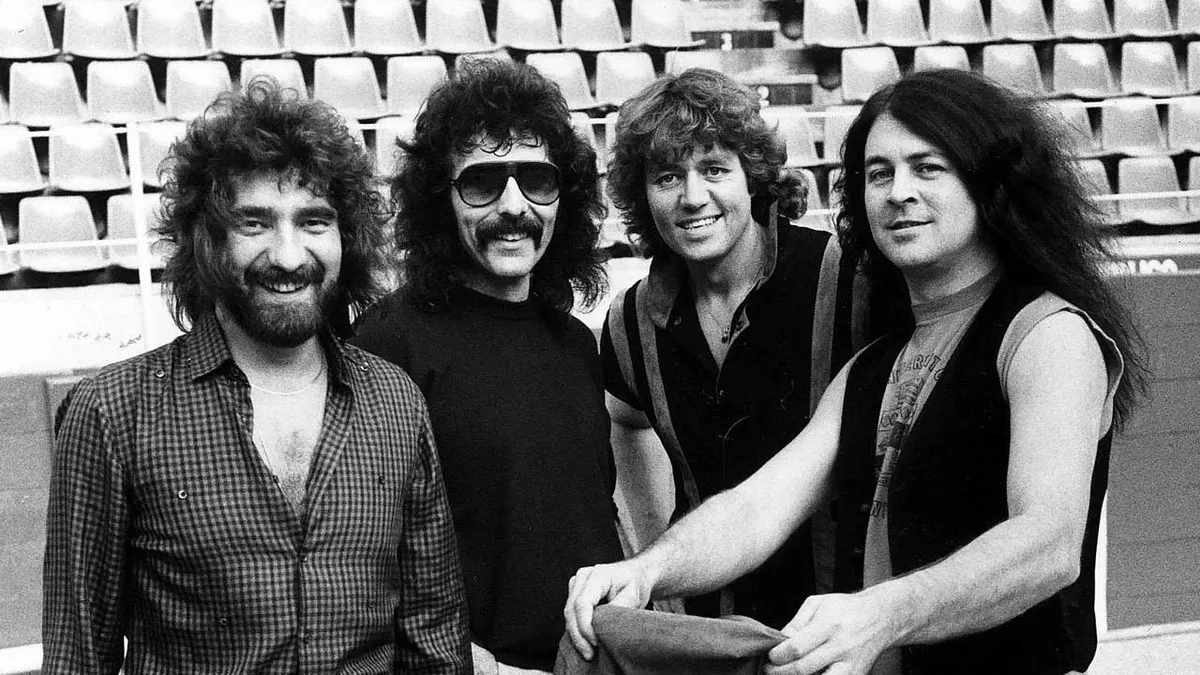 (Image credit: Trinity Mirror / Mirrorpix / Alamy – Butler, Iommi, Bevan, Gillan)
Ian Gillan
Ian Gillan has always spoken about Born Again with a mix of humor, affection, and bewilderment. He’s described his time with Black Sabbath as one of the strangest and most chaotic experiences of his career. While he enjoyed working with the band and respected Tony Iommi, Geezer Butler, and Bill Ward, he’s admitted many times that he never truly felt like a member of Black Sabbath.
Gillan has often recalled the way he joined the band almost accidentally, agreeing to it during a drunken night out and waking up the next morning wondering what he had committed to. That spontaneous, chaotic energy carried into the Born Again sessions, which he described as a mix of intense creativity, heavy drinking, and wild antics. He’s said that the recording itself was fun, and he was proud of his vocal performance, but the experience was so different from anything he’d done before that it felt almost surreal.
One of Gillan’s biggest complaints has always been the live shows. He felt uncomfortable singing Ozzy and Dio-era Sabbath songs, often relying on lyric sheets taped to the stage floor. He also struggled to connect with Sabbath’s darker aesthetic and admitted he never fully felt at home with the material or the fanbase.
As for the album itself, Gillan has called Born Again “a good record” with some “really great songs,” but he also criticized the final mix, agreeing with the rest of the band that the production quality was poor and muddy. He’s acknowledged the record’s cult status with amusement, often referring to it as a “fun mistake” or a bizarre detour in his career.
Over time, Gillan has come to appreciate the legacy of Born Again more, recognizing how much fans have come to admire its weirdness and raw power. Even if it was never the right long-term fit, he looks back on it as a wild, unique chapter in an already eclectic career.
Engineer Robin Black
There’s very little documented commentary from Robin Black himself about Born Again, but we can piece together the essence of his role and how the production turned out based on available information.
Robin Black was the engineer and co-producer on Born Again, having previously worked with Black Sabbath on their 1975 album Sabotage . As such, he brought considerable studio expertise to the sessions at The Manor in spring 1983.
Although the final mix became famously muddy… a flaw often attributed to an overwhelming bass presence… insiders have noted that Black’s actual work in the studio was solid. Ian Gillan even emphasized that he did not blame Robin Black personally, stating Robin “was excellent,” but elsewhere lamented that “something went wrong during the final process, perhaps at the mastering stage”. This suggests that Robin’s engineering and mixing were competent, yet the album was ultimately marred by post-production decisions beyond his immediate control.
Technical retrospectives on Robin Black’s broader work reinforce his reputation as a skilled engineer. A profile in The Skeptical Audiophile highlights his talent for capturing powerful dynamics and keeping clarity in complex mixes, particularly praising his work on Feathered folk-rock records and Jethro Tull. While Born Again may not showcase the refined transparency found in those sessions, it nevertheless confirms his ability to deliver bold, full-bodied sound.
 (Image Steve ‘Krusher’ Joule
Album Cover Artist Steve ‘Krusher’ Joule
The Born Again album cover is as infamous as the music it represents – a jarring, grotesque image of a red-skinned, demonic infant with sharp yellow claws and glowing eyes, set against a harsh purple background. The artwork, much like the album itself, has divided fans and critics for decades. Its creation was rooted in confusion, haste, and a complete mismatch of aesthetic intent between the band and the record label.
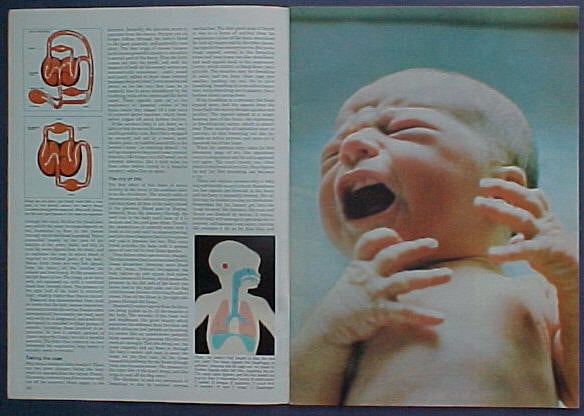
The cover was designed by Steve ‘Krusher’ Joule, who had previously worked on artwork and design for bands like Ozzy Osbourne and Uriah Heep. According to Joule, the image came from a photo in an old magazine – a shot of a screaming baby from a health-related article that he found disturbing and striking. He manipulated it by recoloring the child in blood red, adding devilish features, and placing it against a flat purple background for maximum visual dissonance. The intention was to create something shocking, ugly, and totally uncommercial – a rebellious middle finger to mainstream marketing.
The band, however, didn’t actually approve the artwork before it was finalized. Tony Iommi has since confirmed that the cover was presented to them late in the production process, when it was essentially too far along to change. Ian Gillan was reportedly so horrified by it that he threw a copy out the window when he first saw it.
Despite its initial backlash and crude design, the Born Again cover has developed a cult following over time, much like the album itself. Its sheer audacity and hideous charm have made it iconic in its own twisted way — ugly, chaotic, and unforgettable, which unintentionally mirrors the music within.

The Born Again Demos
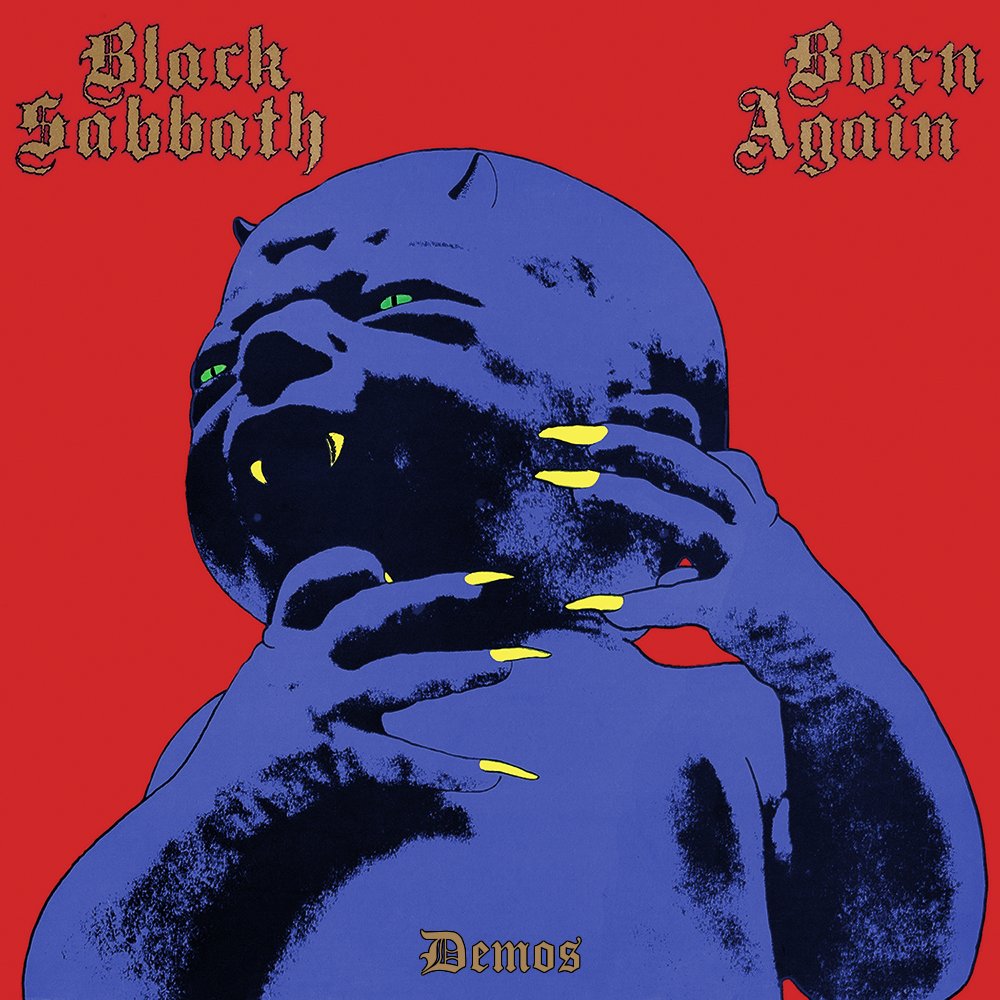
The Born Again demos are a fascinating glimpse into what might have been for one of Black Sabbath’s most infamous albums. While the final release suffered from a notoriously muddy mix that buried many of the album’s strongest elements, the demo recordings offer a clearer, more immediate sound. These raw takes strip away the dense production and allow listeners to hear the full power of Ian Gillan’s vocals, Tony Iommi’s crushing riffs, and the thunderous rhythm section of Geezer Butler and Bill Ward with far more clarity.
Unofficially circulating for years among collectors, the demos include early versions of key tracks like “Trashed,” “Zero the Hero,” “Disturbing the Priest,” and “Digital Bitch.” Some versions include alternate lyrics, extended solos, and noticeably different vocal phrasing from Gillan, who was still adapting to Sabbath’s darker material. The demos also feature a more natural drum sound and a sharper guitar tone, making it easier to appreciate the tight musicianship and songwriting beneath the chaos of the finished album.
These recordings have fueled ongoing interest in a proper remix or remaster of Born Again using the original tapes. Fans and even members of the band have expressed frustration over the album’s final mix, and the demo versions only reinforce how much potential was left obscured. Despite being rough around the edges, the Born Again demos offer a more balanced and powerful listening experience, capturing the raw energy and weird brilliance of this one-off lineup before it was buried under layers of murky studio decisions.
The Forthcoming Remaster & Remix
Black Sabbath’s Born Again is indeed on the verge of its biggest sonic overhaul yet. According to Ian Gillan, Tony Iommi is actively working on a full remix of the album, aiming to replace the notoriously muddy original mix that has long frustrated both band and fans.
Gillan has expressed excitement and relief at the project, calling the album’s initial mix “outrageous,” particularly noting that the bass was so overpowering it was effectively unplayable on radio. He emphasized that the core of the record – the songs themselves – is strong, and that he’s glad fans will finally get to experience a cleaner, more balanced version.
Though no official release date has been announced, Gillan mentioned in a Rolling Stone Brasil interview that the original tapes are now being transferred and evaluated, confirming that the remix is actively in progress. With this development, Born Again could soon be presented in a form that truly highlights the raw energy and tight performances of this unique lineup.
In summary:
-
The forthcoming edition will be a true remix, not just a remaster.
-
Tony Iommi is leading the mix overhaul, addressing long-standing production criticisms.
-
Ian Gillan supports the effort, hopeful that it will do justice to the strong material.
-
There’s no confirmed release schedule yet, but tape preparation is underway.
This remix promises to deliver Born Again in a fresh light – preserving the original’s visceral impact while improving clarity, balance, and fidelity.