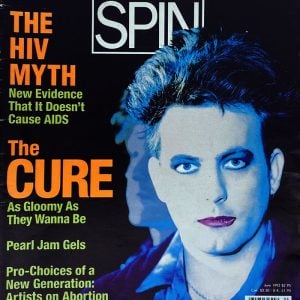
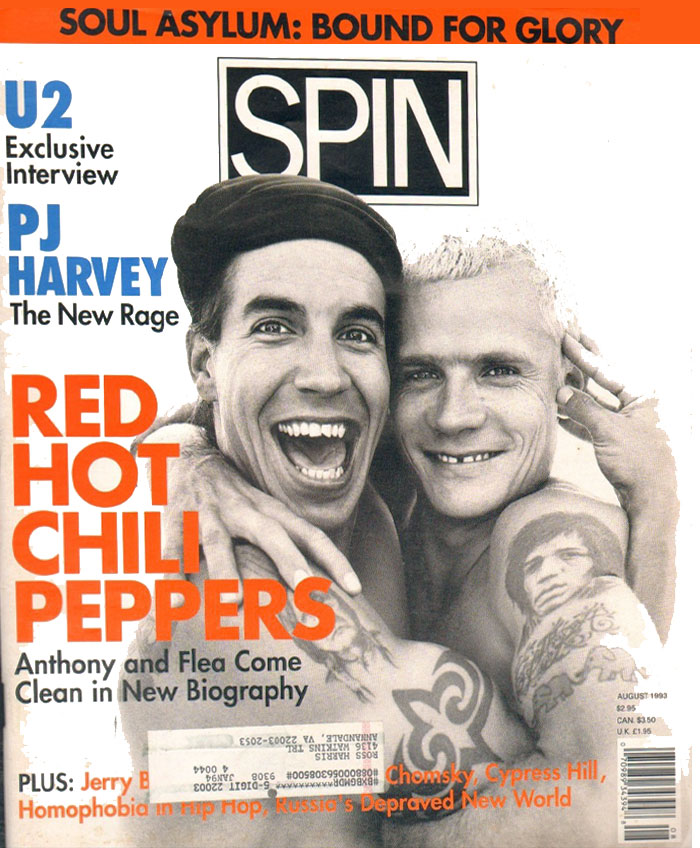
SPIN Magazine 08/1993

$20.00

Cover + Main Angle

This issue is most commonly cataloged/sold as a Red Hot Chili Peppers cover issue, with major inside mentions for U2, Soul Asylum, Cypress Hill, and PJ Harvey. 

In context, that lineup makes perfect sense for mid-’93 SPIN:

  • RHCP as the bridge between funk-punk roots and stadium-scale alternative (post-Blood Sugar Sex Magik era).

  • U2 as the “big band” still shaping what a massive rock spectacle looked like in the alt decade (Zoo TV-era cultural footprint).

  • Cypress Hill representing rap’s harder-edged mainstream crossover.

  • Soul Asylum squarely in that “real band, real songs, suddenly huge” lane.

  • PJ Harvey as the sharp end of art-rock intensity and critical heat.

What You’ll Typically Find Inside This Kind Of 1993 SPIN Issue

Even when you’re there for the cover feature, August ’93 SPIN tends to read like a scene map:

  • A big anchor story (here: RHCP), plus secondary deep-dives/interviews with a few “this is happening now” names (U2 / Soul Asylum / Cypress Hill / PJ Harvey). 

  • The usual SPIN blend of culture + politics + music criticism, where the magazine treats rock/rap not as “entertainment pages” but as part of the larger argument of the month (SPIN was always more essay-forward than its rivals).

Why Collectors Care

  • Peak 1993 alternative mainstreaming: this is SPIN documenting the moment when “alternative” wasn’t niche anymore, it was the center of the commercial conversation.

  • The artist mix (funk-rock megastars + arena auteurs + rap + indie-derived rock + art-damaged British singer-songwriter energy) is a very “only in 1993” collision. 

1 in stock

Purchase & earn 20 points!
 

Description

SPIN in the 90s felt like a magazine with its ear pressed to the floorboards. While a lot of mainstream music press was still clinging to the old rock hierarchy, SPIN leaned hard into what was actually changing the culture in real time. As the decade kicked off, it treated grunge and the wider “alternative” explosion as more than a sound. It was a generational handover. Bands that used to live in the margins suddenly became the center, and SPIN was one of the places documenting that shift with real urgency.

What made SPIN especially important in that era was how wide its idea of “alternative” could be. It didn’t just stop at guitars. The magazine gave hip-hop serious space and treated it as culture, not a novelty, at a time when plenty of legacy outlets still weren’t sure what to do with it. That mix of scenes and voices is a big part of why 90s SPIN reads like a time capsule of where the future was heading.

By the mid-90s, SPIN had enough authority to publish the Spin Alternative Record Guide (1995), a critic-driven map of the alt universe that became a reference point for fans and aspiring writers alike. It’s one of those artifacts that captures the era’s confidence: the sense that a new canon was being built, and SPIN was helping write it.

You may also like…